
The 3 Main Types of PGT Testing Used for IVF in Loudoun County
Not all embryos are created equal, and genetic testing exists precisely for that reason.
If you are planning an IVF cycle, the three main types of PGT testing used for IVF in Loudoun County can give your care team a clearer picture of which embryos are most likely to result in a healthy pregnancy.
PGT, or pre-implantation genetic testing, analyzes embryos before they are transferred to the uterus. Each type screens for something different, and your specialist will help determine which applies to you.
Not every patient will need all three forms. But knowing what each one does puts you in a far stronger position heading into your consultation.
What Is Preimplantation Genetic Testing?
PGT analyzes embryos at the chromosomal or genetic level before transfer. It is one of the most significant advances in modern fertility care.
Chromosomal abnormalities are a leading cause of failed implantation and early miscarriage. Catching them early helps your care team select the strongest embryos available.
How the Embryo Biopsy Process Works
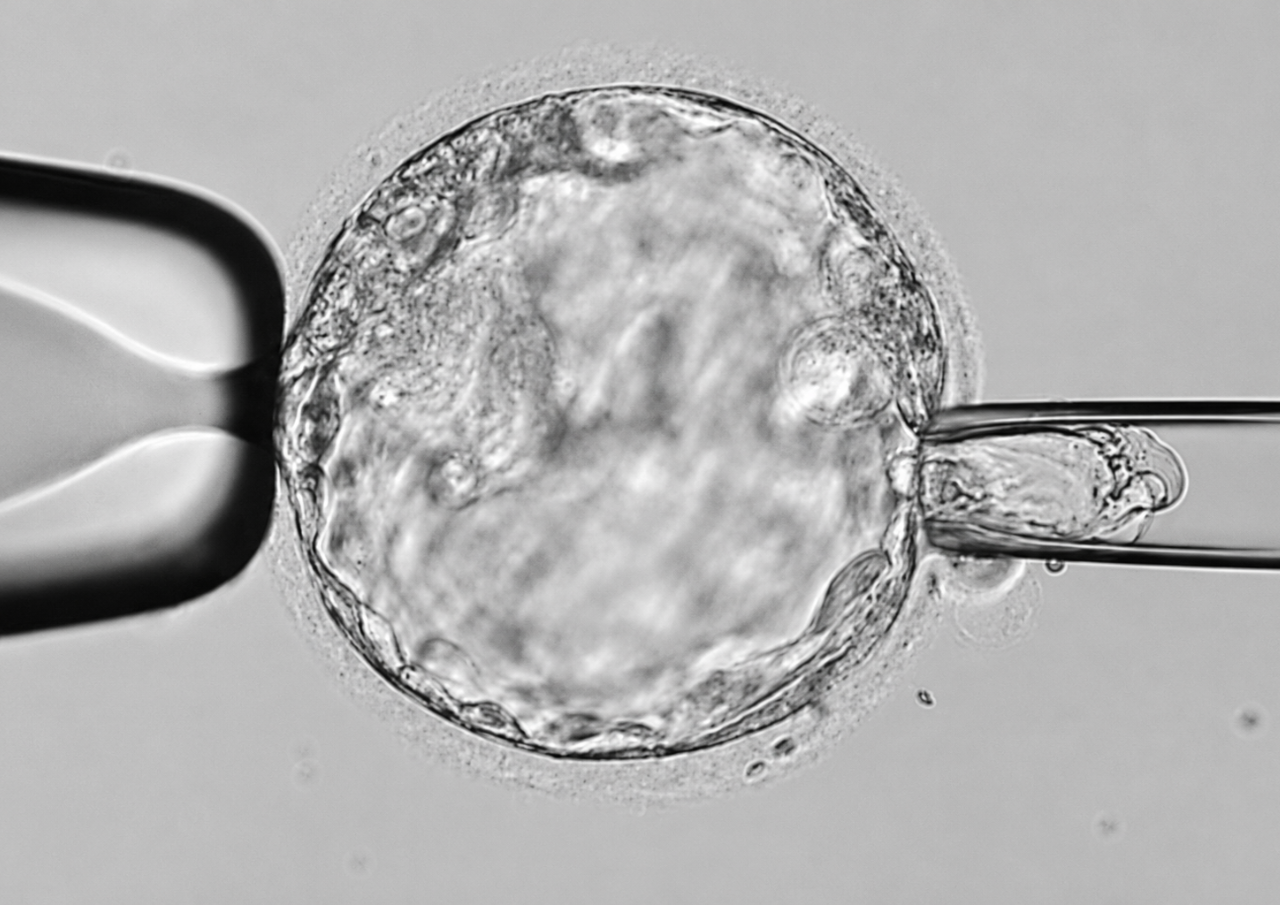
All three forms of PGT share one common first step: an embryo biopsy. A small number of cells are removed from a blastocyst-stage embryo and sent to a genetics lab for analysis.
This typically happens on day five, six, or seven of embryo development. The biopsy does not harm the embryo's ability to implant successfully.
After the biopsy, embryos are frozen while results are processed. Transfer takes place in a later cycle once the genetic report is complete.
The 3 Main Types of PGT Testing Used for IVF in Loudoun County
PGT-A screens for aneuploidy, meaning too many or too few chromosomes. It is the most commonly ordered form of embryo genetic screening.
PGT-M targets a specific inherited mutation carried by one or both partners. Conditions screened include cystic fibrosis, sickle cell disease, and BRCA-linked cancer syndromes.
PGT-SR is used when a partner carries a chromosomal translocation or inversion. It identifies which embryos have a balanced chromosomal arrangement safe for transfer.
Who Benefits Most From PGT-A?
Patients exploring PGT testing used for IVF in Loudoun County will find PGT-A is most often recommended for those over 35. It is also common for those with recurrent pregnancy loss or repeated failed cycles.
Chromosomally normal embryos, called euploid, are prioritized for transfer. The American Society for Reproductive Medicine reports that euploid embryos show higher implantation rates than untested embryos.
PGT-A does not detect inherited gene mutations. That is where PGT-M becomes relevant.
What to Know About PGT-M
PGT-M requires the specific mutation to be identified before the cycle begins. The lab then builds a customized probe, which typically adds several weeks to the timeline.
This form of testing reduces the risk of passing a serious heritable condition to a child. It does not screen for variants that have not yet been identified in your history.
Carrier screening is a separate and important first step if your full genetic history is unknown. Your specialist will walk you through the right sequence for your situation.
How PGT-SR Helps Patients With Structural Rearrangements
Some people carry a chromosomal irregularity that causes zero health problems for them personally.
Their embryos, however, can inherit an unbalanced version of that irregularity, which raises the risk of miscarriage or developmental differences.
PGT-SR identifies which embryos carry a normal or balanced arrangement. This reduces the risk of miscarriage and improves the odds of a successful transfer.
Not all patients need PGT-SR, but for those who do, it is a meaningful tool. A genetic counselor can review your karyotype and advise accordingly.
Get Expert Guidance on Genetic Testing at Annandale Fertility, Contact Us Now for Your Appointment
Annandale Fertility offers Pre-Implementation Genetic Testing as part of a fully personalized IVF plan. Our team will help you understand exactly which testing option applies to your unique situation.
Call 703-462-8665 to speak with our staff or you can now request an appointment online and get started with your PGT testing in Loudoun County, Virginia.